Saturday, September 16th 2017
New Mexico State Department of Health
Medical Cannabis Advisory Board
Medical Cannabis Program
PO Box 26110
Santa Fe, NM, 87502-6110
Petition: Requesting The Inclusion Of A New Medical Condition: Cystic Fibrosis
Table of Contents
Pg. 1 Cover Page
Pg. 2 Petition Introduction
Pg. 3 Petition Purpose and Background
Pg. 8 Relief Requested In Petition
Pg. 8 References
Pg. 10 Appendix A
Petition: Requesting The Inclusion Of A New Medical Condition:
Cystic Fibrosis
New Mexico’s medical cannabis history started in 1978, after public hearings the legislature enacted H.B. 329, the nation’s first law recognizing the medical value of cannabis. The New Mexico’s medical cannabis program (MCP) is the only program in the U.S. that places sole responsibility for regulation on the state’s Department of Health. Doctors must comply with state requirements for patients to be considered for applying to the medical cannabis program.
In the Lynn and Erin Compassionate Use Act, (2007) the law states; The Secretary of Health shall establish an advisory board consisting of eight practitioners representing the fields of neurology, pain management, medical oncology, psychiatry, infectious disease, family medicine and gynecology. The practitioners shall be nationally board-certified in their area of specialty and knowledgeable about the medical use of cannabis. The members shall be chosen for appointment by the Secretary from a list proposed by the New Mexico Medical Society. A quorum of the advisory board shall consist of three members. The advisory board shall:
A. review and recommend to the department for approval additional debilitating medical conditions that would benefit from the medical use of cannabis;
B. accept and review petitions to add medical conditions, medical treatments or diseases to the list of debilitating medical conditions that qualify for the medical use of cannabis;
C. convene at least twice per year to conduct public hearings and to evaluate petitions, which shall be maintained as confidential personal health information, to add medical conditions, medical treatments or diseases to the list of debilitating medical conditions that qualify for the medical use of cannabis;
D. issue recommendations concerning rules to be promulgated for the issuance of the registry identification cards; and
E. recommend quantities of cannabis that are necessary to constitute an adequate supply for qualified patients and primary caregivers.
First, do no harm. As an important step in becoming a doctor, medical students must take the Hippocratic Oath. And one of the promises within that oath is “first, do no harm”.
We have a sound law in the Lynn and Erin Compassionate Use Act, as Section 2 reads; PURPOSE OF ACT.--The purpose of the Lynn and Erin Compassionate Use Act is to allow the beneficial use of medical cannabis in a regulated system for alleviating symptoms caused by debilitating medical conditions and their medical treatments.
“ARTICLE 2B. LYNN AND ERIN COMPASSIONATE USE ACT
N.M. Stat. Ann. § 26-2B-2 (2009)
§ 26-2B-2. Purpose of act
The purpose of the Lynn and Erin Compassionate Use Act [26-2B-1 NMSA 1978] is to allow the beneficial use of medical cannabis in a regulated system for alleviating symptoms caused by debilitating medical conditions and their medical treatments.
HISTORY: Laws 2007, ch. 210, § 2.
EFFECTIVE DATES. --Laws 2007, ch. 210, § 12 makes the act effective July 1, 2007.”
Mosby’s Medical Dictionary states that “medical treatment” means; the management and care of a patient to combat disease or disorder. Medical treatment includes: Using prescription medications, or use of a non-prescription drug at prescription strength; and or treatment of disease by hygienic and pharmacologic remedies, as distinguished from invasive surgical procedures. Treatment may be pharmacologic, using drugs; surgical, involving operative procedures; or supportive, building the patient's strength. It may be specific for the disorder, or symptomatic to relieve symptoms without effecting a cure.(Mosby's Medical Dictionary, 9th edition.)
What is a chronic medical condition?
A chronic disease is one lasting 3 months or more, by the definition of the U.S. National Center for Health Statistics. Chronic diseases generally cannot be prevented by vaccines or cured by medication, nor do they just disappear. Harvard Medical Dictionary defines chronic as: Any condition that lasts a long time or recurs over time; chronic pain as: Pain that persists after an injury has healed or a disease is over; and chronic pain syndrome as : Long-term, severe pain that doesn't spring from an injury or illness, that interferes with daily life, and is often accompanied by other problems, such as depression, irritability, and anxiety.
What is the meaning of debilitating?
Something that's debilitating seriously affects someone or something's strength or ability to carry on with regular activities, like a debilitating illness. Debilitating comes from the Latin word debilis, meaning "weak." That's why you'll often see the adjective used to describe illness, despite the negative reference.
Petition Purpose and Background
The purpose of this Petition: Requesting The Inclusion Of A New Medical Condition: Cystic Fibrosis
This Petition: Requesting The Inclusion Of A New Medical Condition: Cystic Fibrosis is being provided to the state Department of Health Medical Cannabis Program so the advisory board can review and recommend to the department for approval additional debilitating medical conditions that would benefit from the medical use of cannabis with the Lynn and Erin Compassionate Use Act.
Who Should Qualify for Medical Cannabis Use?
According to Americans For Safe Access Policy Studies & Research:
Background: The most fundamental aspect of medical cannabis laws is the relationship between a patient and their physician. It is often only the physician and the patient that possess information about a patient’s health condition. However, many public officials and others who oppose medical cannabis laws often make assumptions about people’s health. The media have even fomented such inappropriate assumptions by naming a category of patients “Young Able Bodied Males,” condemning certain patients by visual assessment alone.
Findings: The health care information discussed between a patient and physician is considered private and protected under federal HIPAA laws. It is typically the purview of state medical boards to assess whether a physician has inappropriately recommended cannabis to someone who should not be qualified. Studies have shown in some medical cannabis states that the majority of patients suffer from chronic pain, an ailment that is not obviously detectable by another person. Nevertheless, police will often harass and arrest patients based on the assumption that someone is faking their illness.
Position: Medical professionals should have an unrestricted ability to recommend cannabis therapeutics and that should not be impacted by law enforcement’s perceptions.
“Qualifying medical condition” shall mean any condition for which treatment with medical cannabis would be beneficial, as determined by a patient's qualified medical professional, including but not limited to cancer, glaucoma, positive status for human immunodeficiency virus, acquired immune deficiency syndrome (AIDS), hepatitis C, amyotrophic lateral sclerosis (ALS), Crohn’s disease, Parkinson’s disease, post-traumatic stress disorder, arthritis, chronic pain, neuropathic and other intractable chronic pain, and multiple sclerosis.
“Qualifying patient” shall mean a person who has a written recommendation from a qualified medical professional for the medical use of cannabis.
Cystic fibrosis is a life-threatening genetic disorder that affects about 33,000 people in the United States. Studies have shown that cannabis can help manage symptoms associated with cystic fibrosis by normalizing the function of the body’s endocannabinoid system.
OVERVIEW OF CYSTIC FIBROSIS
Cystic fibrosis is a progressive inherited disorder that causes persistent infections in the lungs and severe damage to the digestive system. The defective gene that causes the disorder affects the cells that produce mucus, sweat and digestive juices. Rather than being thin and slippery to serve as an effective lubricant, the mucus becomes thick and sticky, plugging up passageways. The underlying mechanism of cystic fibrosis has been found to be an imbalance of fatty acids.
Cystic fibrosis is typically diagnosed early in life, as screenings for the disorder are performed upon birth in all 50 states. Symptoms of cystic fibrosis vary between persons but can be extremely uncomfortable and inhibiting, often causing patients to suffer from anxiety. Common symptoms include salty-tasting skin, persistent coughing, frequent lung infections, wheezing, shortness of breath, malnutrition, an inability to gain weight, male infertility, and frequent bulky stools. Patients also often suffer from severe aches and pains, and the frequent coughing can cause nausea and vomiting.
Cystic fibrosis can cause further respiratory, digestive, and reproductive system complications. The disorder is one of the leading causes of the airway-damaging condition bronchiectasis, according to Mayo Clinic. Over time, the lung tissue damage caused by cystic fibrosis can lead to respiratory failure. Digestively, cystic fibrosis can cause nutritional deficiencies and diabetes and can obstruct the bile duct and intestines. Cystic fibrosis can also increase the risk of osteoporosis and dehydration.
While there is no cure for cystic fibrosis, various treatment methods can help patients manage symptoms and reduce the risk of complications. Medications are often used to treat and prevent lung infections, while mucus-thinning drugs can help loosen and remove mucus from the lungs and bronchodilators can help keep airways open. Chest physical therapy is often employed to help loosen mucus, making the mucus easier to cough up. In some cases, surgery to remove nasal polyps to prevent breathing obstruction, oxygen therapy, bowel surgery, an endoscopy, the implantation of a feeding tube or a lung transplant are necessary.
FINDINGS: EFFECTS OF CANNABIS ON CYSTIC FIBROSIS
Research suggests that cannabis offers several therapeutic benefits to patients with cystic fibrosis. The disorder has been found to be associated with an impaired endocannabinoid system, which in turn causes an imbalance of fatty acids. Studies have shown that with cannabis treatments, the body’s endocannabinoid system will normalize, leading to improvements 3.
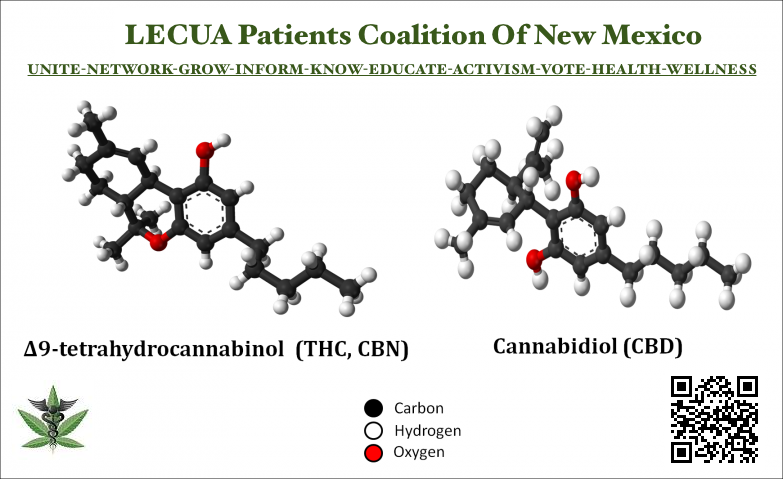
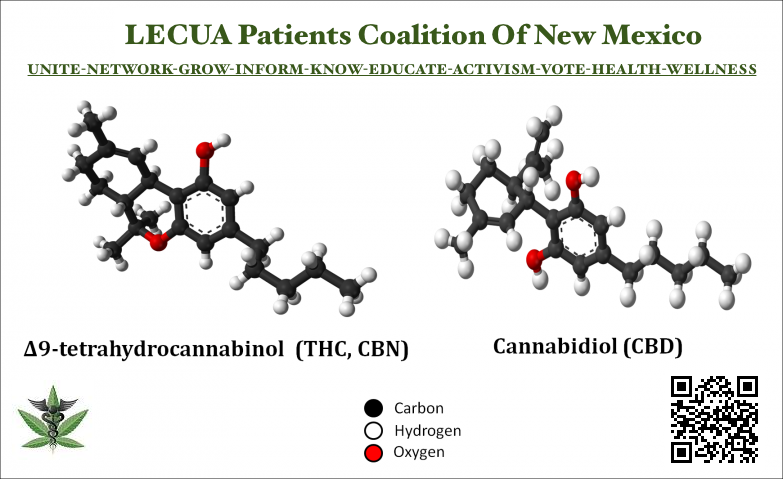
One cannabinoid in particular, tetrahydrocannabinol (THC), has proven to be beneficial for those with cystic fibrosis. Studies have shown THC to relieve nausea and vomiting and have bronchodilating, anti-inflammatory, anti-diarrheal, and pain-relieving effects 5. One animal trial found that treating cystic fibrosis mice with THC during infancy prevented infertility in males 2. Another found that regular THC treatments during infancy caused motor activity and anxiety levels to be normal in mice with cystic fibrosis 3. Additionally, marijuana treatments have been shown to help combat the mortality caused by a lack of appetite and subsequent malnutrition in cystic fibrosis patients 5.
Researchers have gone so far as to suggest cannabinoid treatments for children or young adults with cystic fibrosis to improve food intake and reduce inflammatory exacerbations, thereby helping to improve their health condition 6.
STATES THAT HAVE APPROVED MEDICAL CANNABIS FOR CYSTIC FIBROSIS
Connecticut is the only state that has specifically approved medical marijuana for cystic fibrosis. Under the law, adults and minors under 18 with cystic fibrosis can be recommended medical marijuana.
Also, several states have approved medical marijuana specifically to treat “chronic pain,” a symptom commonly associated with cystic fibrosis. These states include: Alaska, Arizona, California,Colorado, Delaware, Hawaii, Maine, Maryland, Michigan, Montana, New Mexico, Ohio, Oregon,Pennsylvania, Rhode Island, Vermont and West Virginia. The states of Nevada, New Hampshire,North Dakota, Ohio and Vermont allow medical marijuana to treat “severe pain.” The states of Arkansas, Minnesota, Ohio, Pennsylvania, Washington and West Virginia have approved cannabis for the treatment of “intractable pain.”
Additionally, many states have approved medical marijuana specifically for the treatment of nausea. These states include: Alaska, Arizona, Arkansas, California, Colorado, Delaware, Hawaii, Maine, Maryland, Michigan, Montana, Nevada, New Hampshire, New Mexico, North Dakota, Oregon, Rhode Island, Vermont, and Washington.
In Washington D.C., any condition recommended by DC-licensed physician can be approved for medical marijuana. California allows medical marijuana for “any debilitating illness where the medical use of marijuana has been ‘deemed appropriate and has been recommended by a physician.’”
RECENT STUDIES ON CANNABIS’ EFFECT ON CYSTIC FIBROSIS
THC treatments during the infancy of mice with cystic fibrosis caused motor activity and anxiety levels in adulthood to be normal.
Behavioral alterations in cystic fibrosis mice are prevented by cannabinoid treatment in infancy.
-
THC treatments given during infancy effective at preventing male infertility.
Treatment with tetrahydrocannabinol (THC) prevents infertility in male cystic fibrosis mice.
-
Medical Cannabis for Cystic Fibrosis
Cannabis’ antiemetic properties can also benefit CF patients. A 1998 study conducted by Raphael Mechoulam, a well-established professor in the field of cannabis medicine, revealed that THC is effective in reducing nausea caused by chemotherapy. Many CF patients suffer from vomiting which also leads to a loss in appetite. Because cannabis has antiemetic properties, it holds tremendous promise in increasing appetite among patients.
Some patients suffer from pancreatic insufficiency due to CF, resulting in loose bowel movement. Diarrhea causes important vitamins, nutrients, and minerals to leave the body, speeding up any malnutrition. Esther Fride points out that three studies done by Colombo, Tyler, and Hanus showed that cannabinoids are useful in inhibiting the intestinal motility by acting on the CB1 and CB2 receptors. Ingesting cannabis can activate these receptors and thus prevent diarrhea.
In patients with CF, lung disuse typically becomes so damaged due to aggressive inflammatory responses. Cannabis is a known for its anti-inflammatory properties, and in fact this is one of the most well-documented health benefits of the plant.There are cannabinoid receptors located in the lungs, so ingesting THC can provide therapeutic value for patients suffering from CF.
Patients with CF also suffer from pain ranging from mild to severe due, especially in the abdominal area, small intestines, chest, gall bladder, kidney stones, and other body parts. Because cannabinoids are effective analgesics, ingesting cannabis can provide great pain relief without the use of opioids.
Other Medical Cannabis Drugs in Development
GW Pharmaceuticals is best known for its Sativex (naxibimol) oromucosal spray of a formulated extract (THC and CBD) of the cannabis plant. It has gone through many clinical trials as a treatment to relieve symptoms from multiple sclerosis. Expanding approval for the treatment of cancer pain and other applications is in the works. GW’s other notable drug is a proprietary oral solution of pure plant-derived cannabidiol (CBD) and is branded Epidiolex. This drug in the clinical trial stage as an epilepsy drug for children with uncontrolled seizures, and is also looking at expanding approval for other applications.
Corbus Pharmaceuticals is a small drug developer working on a new drug they call Anabasum. This synthetic oral endocannabinoid-mimetic drug binds to the CB2 receptor expressed on activated immune cells and fibroblasts. Corbus has reported positive mid-stage results in systemic sclerosis and cystic fibrosis.
Cara Therapeutics is a traditional drug developer trying to expand its products to include cannabinoid-based drugs. The most developed product in Cara’s pipeline is CR845, a kappa opioid receptor agonist (KORA). The experimental drug is designed to reduce the central nervous system side effects, like pain and itching, often observed with traditional opioids, such as morphine. Another product that is gaining traction is CR701, a CB receptor agonist. In pre-clinical studies, the administration of CR701 in animals with neuropathy suggested that it could possibly serve as an alternative to opioids to treat pain.
Zynerba Pharmaceuticals is a company wholly dependent on cannabinoid therapies. Zynerba has two drugs currently in development: ZYN001 is getting ready for mid-stage trial initiation in the second half of this year as a treatment for fibromyalgia and peripheral neuropathic pain. ZYN001 is a THC pro-drug patch that the company believes could have future uses for treating chronic pain and gastrointestinal disorders; and ZYN002 is a CBD-based gel that is absorbed through the skin, and aimed at treating adult epilepsy and osteoarthritis.
Rules, Regulations, & Policy Solution For The Petition: Requesting The Inclusion Of A New Medical Condition: Cystic Fibrosis
The approval of this Petition: Requesting The Inclusion Of A New Medical Condition: Cystic Fibrosis, that is being provided to the state Department of Health Medical Cannabis Program so the advisory board can review and recommend to the department for approval additional debilitating medical conditions that would benefit from the medical use of cannabis with the Lynn and Erin Compassionate Use Act.
The approval of this petition would bring the Department of Health in compliance with the intent of the law and uphold the spirit of the Lynn and Erin Compassionate Use Act, 2007. Fulfilling both;“ Section 2. PURPOSE OF ACT.--The purpose of the Lynn and Erin Compassionate Use Act is to allow the beneficial use of medical cannabis in a regulated system for alleviating symptoms caused by debilitating medical conditions and their medical treatments” And Section 6. ADVISORY BOARD CREATED--DUTIES: The advisory board shall: A. review and recommend to the department for approval additional debilitating medical conditions that would benefit from the medical use of cannabis.” New Mexico’s medical cannabis history started in 1978. After public hearings the legislature enacted H.B. 329, the nation’s first law recognizing the medical value of cannabis...the first law.
References
References:
-
-
-
-
-
Appendix A:
WHEREAS cannabis (marijuana) has been used as a medicine for at least 5,000 years and can be effective for serious medical conditions for which conventional medications fail to provide relief;
WHEREAS modern medical research has shown that cannabis can slow the progression of such serious diseases as Alzheimer’s and Parkinson’s and stop HIV and cancer cells from spreading; has both anti-inflammatory and pain-relieving properties; can alleviate the symptoms of epilepsy, PTSD and multiple sclerosis; is useful in the treatment of depression, anxiety and other mental disorders; and can help reverse neurological damage from brain injuries and stroke;
WHEREAS the World Health Organization has acknowledged the therapeutic effects of cannabinoids, the primary active compounds found in cannabis, including as an anti-depressant, appetite stimulant, anticonvulsant and anti-spasmodic, and identified cannabinoids as beneficial in the treatment of asthma, glaucoma, and nausea and vomiting related to illnesses such as cancer and AIDS;
WHEREAS the American Medical Association has called for the review of the classification of cannabis as a Schedule I controlled substance to allow for clinical research and the development of cannabinoid-based medicines;
WHEREAS the National Cancer Institute has concluded that cannabis has antiemetic effects and is beneficial for appetite stimulation, pain relief, and improved sleep among cancer patients;
WHEREAS the American Herbal Pharmacopoeia and the American Herbal Products Association have developed qualitative standards for the use of cannabis as a botanical medicine;
WHEREAS the U.S. Supreme Court has long noted that states may operate as “laboratories of democracy” in the development of innovative public policies;
WHEREAS twenty-eight states and the District of Columbia have enacted laws that allow for the medical use of cannabis;
WHEREAS seventeen additional states have enacted laws authorizing the medical use of therapeutic compounds extracted from the cannabis plant;
WHEREAS more than 17 years of state-level experimentation provides a guide for state and federal law and policy related to the medical use of cannabis;
WHEREAS accredited educational curricula concerning the medical use of cannabis have been established that meets Continuing Medical Education requirements for practicing physicians;
WHEREAS Congress has prohibited the federal Department of Justice from using funds to interfere with and prosecute those acting in compliance with their state medical cannabis laws, and the Department of Justice has issued guidance to U.S. Attorneys indicating that enforcement of the Controlled Substances Act is not a priority when individual patients and their care providers are in compliance with state law, and that federal prosecutors should defer to state and local enforcement so long as a viable state regulatory scheme is in place.